

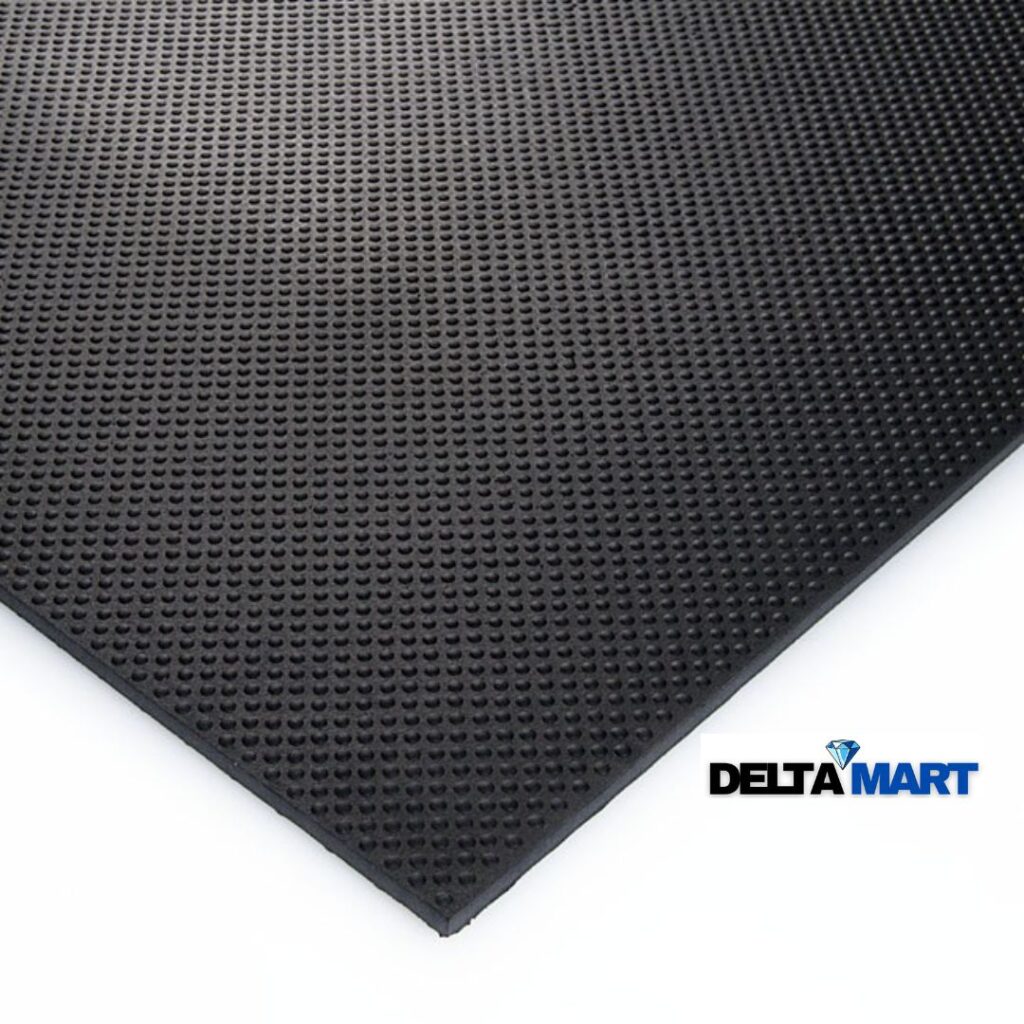
Training at home has plenty going for it: no commute to the gym, no waiting for kit and no one watching your first attempt at burpees. In a flat or upstairs spare room, though, two worries tend to creep in. Will I damage the floor? And what will the people downstairs think? A good workout rubber mat goes a long way towards solving both.
Here is how to choose the right one for your space and your training.
What a workout rubber mat needs to do in a small space
In a compact room, flooring has a few jobs. It must protect the floor underneath from scuffs, dents and sweat. It should give you a stable, grippy surface to exercise on. It needs to soften the noise and vibration that travels through the building. And it has to fit the room without taking over.
Rubber is well suited to all of these. It is dense enough to protect floors and absorb some impact, grippy enough for safe footing and tough enough to cope with equipment. The trick is matching the type and size of mat to what you actually do.
Before buying, measure the space you train in, including the room you need to lie down, step back and swing a kettlebell safely. Many people underestimate this and end up stepping off the mat mid-session, which defeats the point. Mark the area out with tape for a few workouts to see what you really use. Browse our workout rubber mat range to get a sense of the formats available.
Under treadmills, bikes and rowers
Cardio machines are heavy, they vibrate and they can creep across the floor over time. A dense rubber mat underneath spreads the weight of the machine’s feet, helps stop it moving and reduces the hum and rumble that can travel through floors.
Choose a mat large enough to sit under the whole machine, with a little extra space around it for stepping on and off. A rubber mat for treadmill gives a firm base, and it also catches sweat and the odd drip of lubricant before they reach the carpet or laminate. Keep the mat clean and flat so the machine stays level.
Bodyweight, HIIT and skipping: impact and noise
Jumping exercises are where noise complaints usually begin. Each landing sends a thud through the floor, and in flats with timber floors that sound can carry.
A rubber mat helps by absorbing some of the impact, but technique matters too. Landing softly, through the balls of your feet with bent knees, makes a big difference. Some people layer a thicker mat for jumping work, or choose low-impact alternatives to high jumps late in the evening.
Timing helps as much as flooring. Saving jumping work for daytime hours, when neighbours are more likely to be out or awake, is a simple courtesy that heads off most complaints.
Be realistic: no mat will make a home workout silent. It can, however, take the edge off, and combined with sensible timing and a quick word with the neighbours, it can keep everyone on good terms. For more exercise-specific options, Delta Rubber Imports offers a range of exercise flooring for home gym worth looking at.
Jigsaw puzzle mats for flexible layouts
If your workout space is also a lounge, guest room or home office, jigsaw-style tiles are hard to beat. They link together to make a floor of whatever size you need and can be lifted and stacked away when guests arrive or the desk needs to come back out.
Our jigsaw puzzle mats come in a format that suits renters in particular, because there is no glue or fixing involved. Delta Rubber Imports’ interlocking foam gym mats are a lighter option for stretching and floor work.
If you would like something heavier for a corner that rarely changes, Delta Rubber Imports’ rubber floor squares are another route, giving a firmer base for dumbbells and a bench while still lifting out when you move.
Lay tiles from one corner outwards, keep the joins tight and leave a small gap at walls. If you move, the whole floor comes with you.
Protecting carpets and laminate (and your deposit)
Floors in rented homes need extra care. Here are a few practical tips:
- On carpet, use a firm mat so equipment does not sink and crush the pile
- On laminate or wood, check that the mat will not mark or discolour the surface over time
- Lift mats occasionally so the floor underneath can breathe and dry
- Clean up sweat promptly, especially near machines
- Take photos of the floor before you start, just in case
If you are unsure how a mat will interact with a particular floor finish, test a small, hidden corner first.
Storing and cleaning mats
Small mats and tiles can be stacked against a wall or slid under a bed. Larger, heavier mats are best left flat to stop them curling. Wherever you store them, keep them out of direct sunlight and away from radiators.
For cleaning, a vacuum or soft brush removes dust and hair, and a damp cloth with mild soapy water deals with sweat. Let mats dry fully before stacking. Avoid harsh chemicals and strong solvents, which can damage some rubber compounds.
Your home workout, sorted
The right workout rubber mat protects your floor, steadies your equipment and softens noise for the neighbours. Choose a dense mat for machines, use tiles for flexible layouts and combine good flooring with considerate timing and technique.
Have a look at the home gym range at Delta Mart to find your fit. Delta Mart keeps quality rubber within reach of a household budget and gets orders out quickly across the UK, so you can start training at home without delay.