

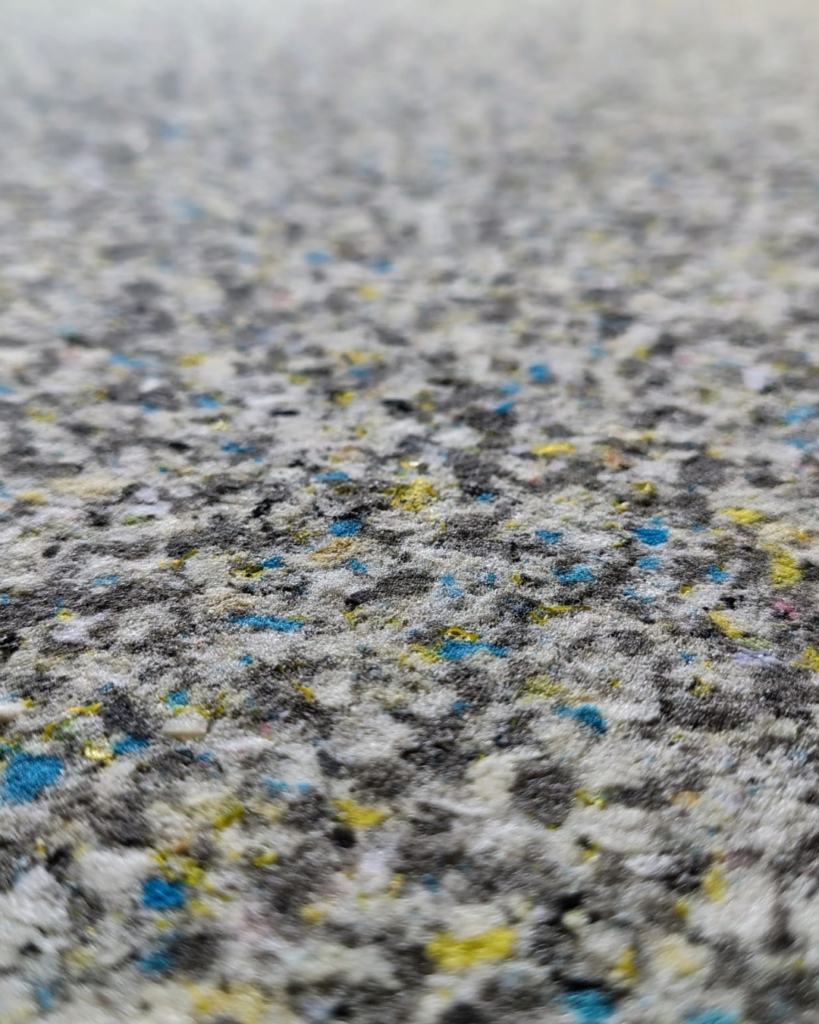
Summer is when cubicle sheds go quiet. With the herd out at grass, it is the ideal moment to look hard at the beds your cows will come back to in the autumn. Cow cubicle mats work hard all winter, and when they are past their best, it often shows in the herd before it shows on the mat. Planning a refit now, rather than in a rush in October, makes a real difference.
Below we run through the warning signs to look for, the main bedding systems to choose between and a practical plan for getting the work done before housing starts again. A little time spent in the empty shed now can save a lot of stress in the autumn.
Signs worn cubicle mats are affecting your herd
The herd will often tell you first. Look for:
- Cows standing in cubicles rather than lying down, or perching half in and half out
- More cows lying in passages or loafing areas instead of cubicles
- Hock and knee lesions, swelling or hair loss
- Cows taking a long time to lie down or get up
- Uneven use of the shed, with some cubicles avoided
On the mats themselves, check for hard, compacted areas, splits, worn patches at the back of the bed, curling edges and mats that have moved. Lift a mat or two and look underneath for slurry and water. If several of these signs show up, it is time to plan a replacement.
Cow cubicle mats vs mattresses vs deep bedding
Farmers broadly choose between three approaches.
Rubber cubicle mats are a single layer of rubber laid over the cubicle base, topped with a modest amount of bedding. They are relatively quick to fit, easy to clean and suit many units. You can compare cow cubical mats in our livestock range.
Mattresses are multi-layer systems, often with a cushioning core under a tough top cover. They aim to offer more give for lying cows. Some farmers find them more comfortable for the herd, though they need careful fitting and upkeep. If you are curious about this route, our cow mattress page is a good place to start.
Deep bedding, such as sand or straw without a mat underneath, can offer excellent comfort when well managed but takes more bedding, labour and slurry management.
The right choice depends on your herd, your shed, your bedding supply and your labour. Delta Rubber Imports also lists cow comfort mats, which can help when you are weighing up options.
Measuring cubicles and counting mats
Before ordering, measure each cubicle carefully. Note the internal width between divisions, the length of the bed from kerb to brisket board and any variation along the shed. Older sheds may have cubicles of different sizes, so do not assume they are all identical.
Count the cubicles in each row, and note any that need different sizes or shapes, such as end cubicles or those near a post. Make a simple plan of the shed with each row marked. This helps you order the right number and size of mats and spot where cutting or special fittings may be needed.
Planning the refit while cows are out at grass
The best time for a refit is when cubicles are empty. That gives you time to remove old mats, clean and repair the base and let it dry before fitting the new ones.
Work backwards from when cows are due back in. Allow time for ordering, delivery, preparing the base, fitting and a final check. Building in a margin for wet weather or other farm jobs is wise. If you are also thinking about other areas, such as the parlour, it can make sense to plan both together. Our milking parlour mats and Delta Rubber Imports’ milking parlour mats can be compared for that part of the job.
Fitting, fixing and sealing tips
Fitting quality determines how long the new mats last and how hygienic they stay. Follow the manufacturer’s instructions, and keep these points in mind:
- Start with a clean, dry, sound base, repairing any holes or broken concrete
- Check the fall of the bed so liquids drain towards the passage
- Fix mats at the recommended points, using suitable fixings
- Keep joins tight and seal edges where advised to stop muck getting underneath
- Pay attention to the brisket board and kerb, where gaps often appear
If you are comparing products for this stage, Delta Rubber Imports’ cow cubical mats pages are another source of information.
Bedding on mats and daily upkeep
Mats do not remove the need for bedding. A light layer on top helps keep the surface dry, reduces friction on hocks and knees and encourages cows to lie down. Common choices include sawdust, chopped straw, lime-based products and sand, depending on what suits your system.
Daily upkeep should include removing dung and wet bedding from the back of the cubicle, topping up bedding and checking for damaged or lifting mats. A tidy, dry, comfortable bed encourages cows to spend more time lying down, which is good for both welfare and production.
Planning ahead for winter housing
Worn cow cubicle mats rarely fail overnight, but the effects build steadily in the herd. Use the summer to check for warning signs, decide between mats, mattresses and deep bedding, measure carefully and fit the new beds while the shed is empty.
When you are ready to plan your refit, explore the livestock flooring range at Delta Mart. Delta Mart supplies hard-wearing cubicle mats and livestock flooring at farm-friendly prices, with quick UK delivery so the job is done before the herd comes back in.