

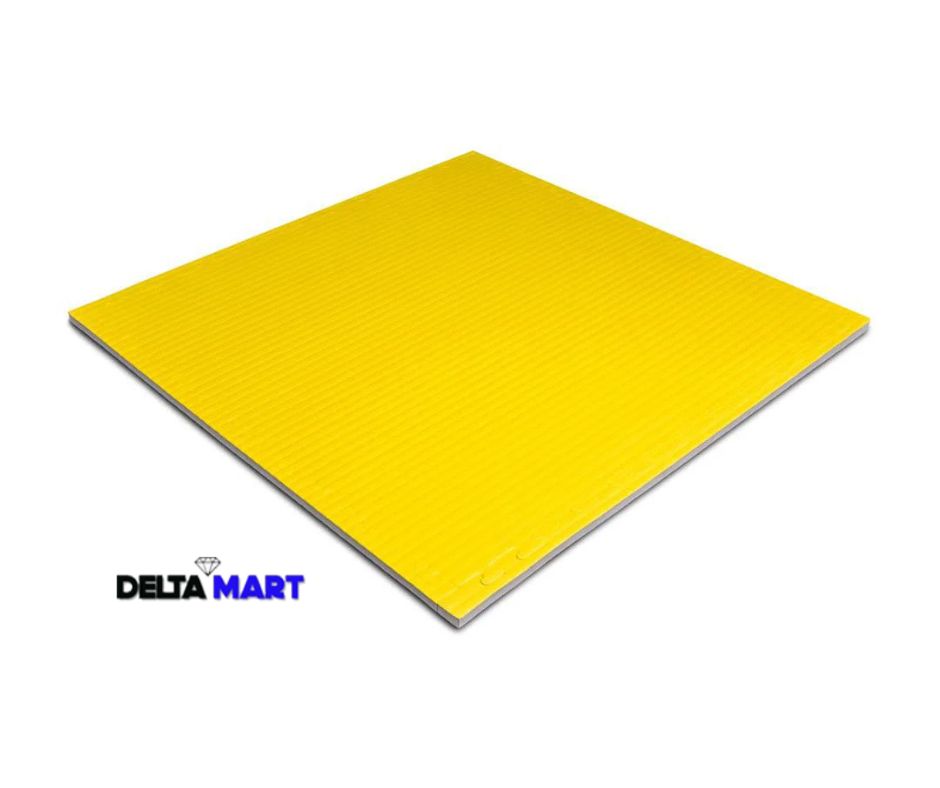
Walk into a taekwondo club, then a judo dojo, and you will notice the floors feel different the moment you step on them. That is no accident. Martial arts flooring is chosen around how each style moves, lands and falls, and a mat that suits one discipline perfectly can feel wrong for another.
Whether you run a club, teach in a community hall or are building a home dojo for the family, this guide explains what each style needs and how to choose.
Why one mat doesn’t suit every martial art
Martial arts broadly split into striking styles and grappling or throwing styles, with plenty in between. Striking arts need a surface that supports fast footwork, pivots and kicks. Grappling and throwing arts need a surface that absorbs repeated heavy falls.
Those demands pull in different directions. Firmer mats help footwork and balance but offer less cushioning for falls. Softer mats protect against hard landings but can feel unstable when you are moving quickly on the balls of your feet. Choosing well means being clear about what your students will spend most of their time doing.
Many clubs also teach more than one style, or run mixed classes for children who sample several arts. In that case, aim for a sensible middle ground and add extra crash or throw mats for specific drills, rather than forcing one floor to do everything.
Striking arts: taekwondo and karate
Taekwondo and karate are built around stances, footwork, spinning techniques and kicks. Students need to pivot cleanly, push off powerfully and land from jumping techniques without jarring their joints.
A medium-firm surface usually works best. It should offer enough grip for bare feet, but not so much that pivoting on the ball of the foot becomes awkward or causes friction burns. A slightly textured top is common. Interlocking foam tiles are popular for striking clubs and home training, because they are quick to lay and easy to lift. Our eva gym flooring is a common starting point for many home setups.
Most striking classes still include some falls, sweeps or partner drills, so a bit of cushioning is helpful. It just does not need to be as deep as a judo mat.
Throwing and groundwork: judo and grappling
Judo, jiu-jitsu, wrestling and similar arts involve throws, takedowns and long periods of groundwork. Students hit the mat hard and often, so impact absorption is the priority.
These styles generally use thicker, denser mats with a smoother surface. A smooth finish helps reduce friction burns during groundwork and lets students slide and roll. The mat needs to stay firm enough that feet do not sink during standing work, while still absorbing the energy of a throw.
For serious throwing practice, purpose-made judo mats are the safer choice rather than thin tiles. If you are comparing options, Delta Rubber Imports has judo mats for sale and other grappling options worth a look.
Martial arts flooring compared: thickness, firmness and surface texture
As a broad guide, without tying anything to specific measurements:
- Striking arts: medium thickness, medium-firm, lightly textured for grip
- Mixed or general classes: medium to thicker mats, a balance of firmness and cushioning
- Throwing and groundwork: thicker, denser mats with a smoother surface
- Children’s classes: a little more cushioning helps for younger students learning to fall
Always check the manufacturer’s intended use and, for club floors, take advice from your governing body or association on what they recommend for training and grading.
Permanent club floors vs portable home setups
Clubs with their own premises often lay a permanent floor wall to wall. This gives a seamless training area and can be planned with safety margins near walls. Interlocking systems are common because they can be extended or repaired tile by tile. Our martial arts flooring range is a good starting point for clubs planning a full floor. If you also want a conditioning corner beside the main mat area, look at our interlocking floor mats gym section, which suits kettlebells and bodyweight circuits better than soft foam.
Many clubs, though, train in community halls, schools or leisure centres and need to lay and lift mats every session. Portable interlocking tiles are ideal here. They stack, store and transport easily. Ask the venue where mats can be stored between sessions, and choose a tile size that one or two volunteers can carry comfortably, because setting up and packing away quickly keeps hall hire costs and volunteer goodwill under control.
At home, a small square of interlocking tiles in a garage, conservatory or spare room is usually plenty for kata, forms and light partner drills. Delta Rubber Imports’ eva gym flooring and interlocking jigsaw mats are worth comparing if you want an alternative home setup.
Hygiene and mat care for clubs
Mats are shared surfaces where bare feet, sweat and skin meet, so hygiene matters. A sensible routine includes:
- Cleaning mats after every session with a suitable mat cleaner
- Insisting on clean feet and footwear off the mat
- Covering cuts and keeping nails short
- Lifting and cleaning underneath portable mats regularly
- Replacing torn or badly worn tiles promptly
Follow the mat manufacturer’s cleaning advice, as some strong chemicals can damage foam or rubber surfaces over time.
Choosing the right mat for your style
Martial arts flooring is about matching the mat to the movement. Striking arts need medium-firm, grippy surfaces for footwork; throwing arts need thicker, denser mats for safe falls; and mixed classes sit somewhere in between. Plan for safety, hygiene and how often you will lay and lift the floor.
Explore martial arts mats at Delta Mart to find the right fit for your club or home dojo. Delta Mart supplies long-lasting mats at fair prices, and quick UK delivery means your next class or grading does not have to wait.